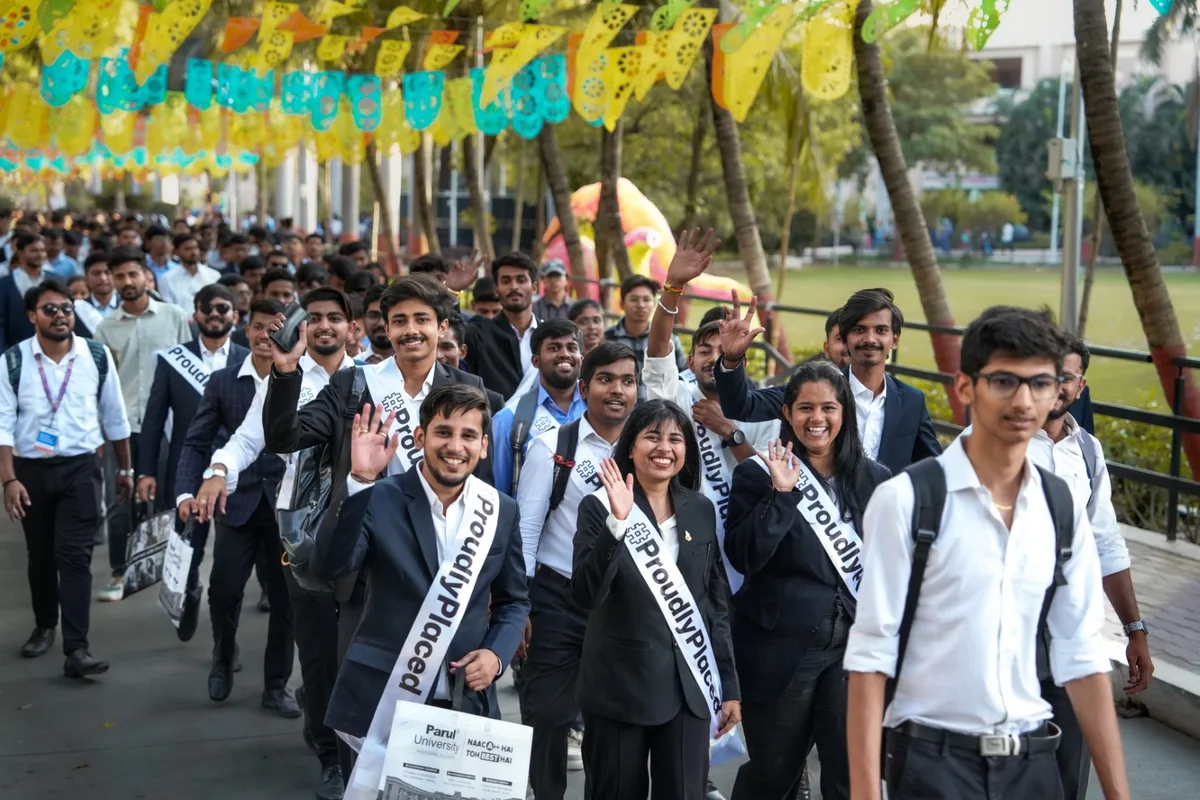
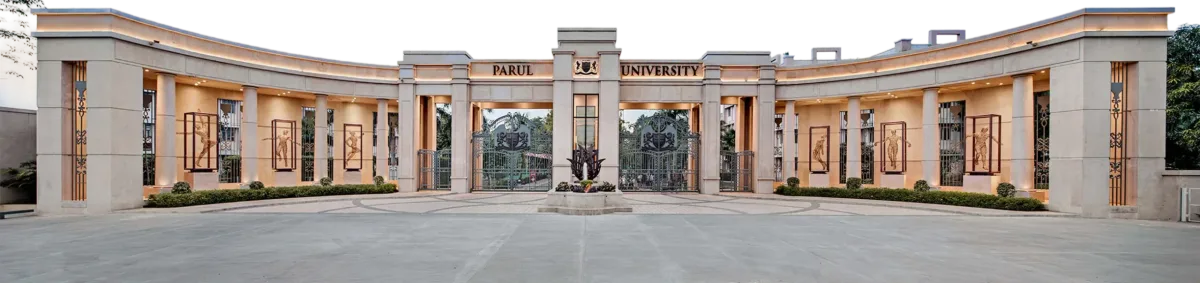
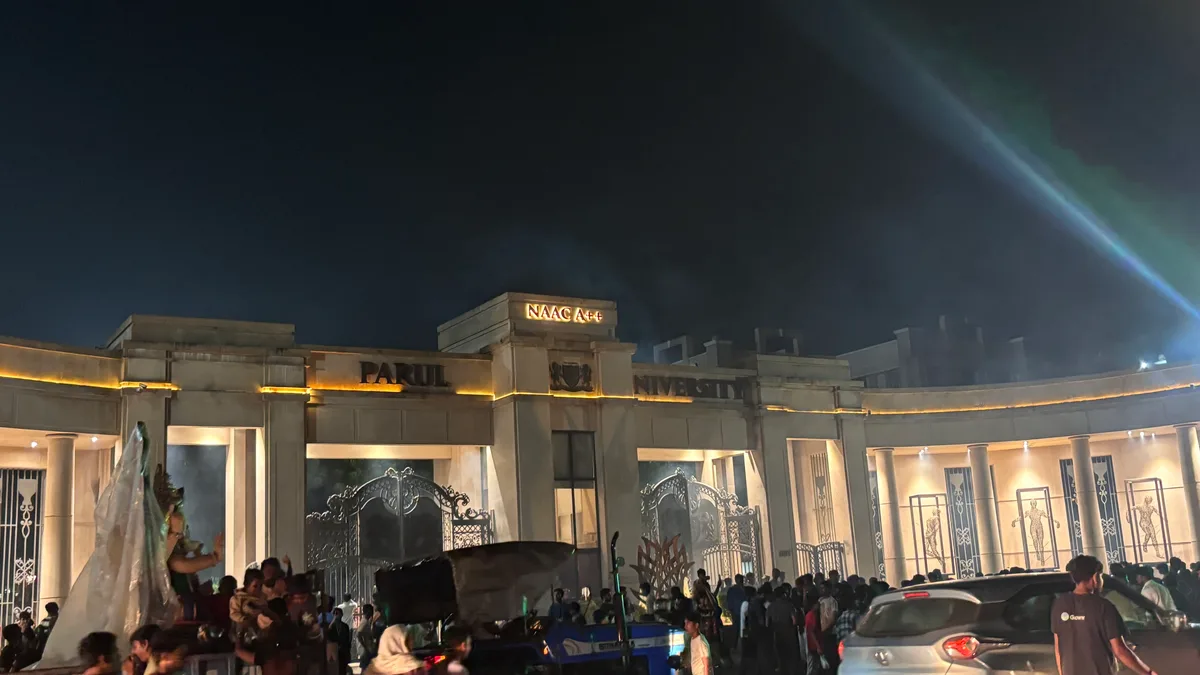
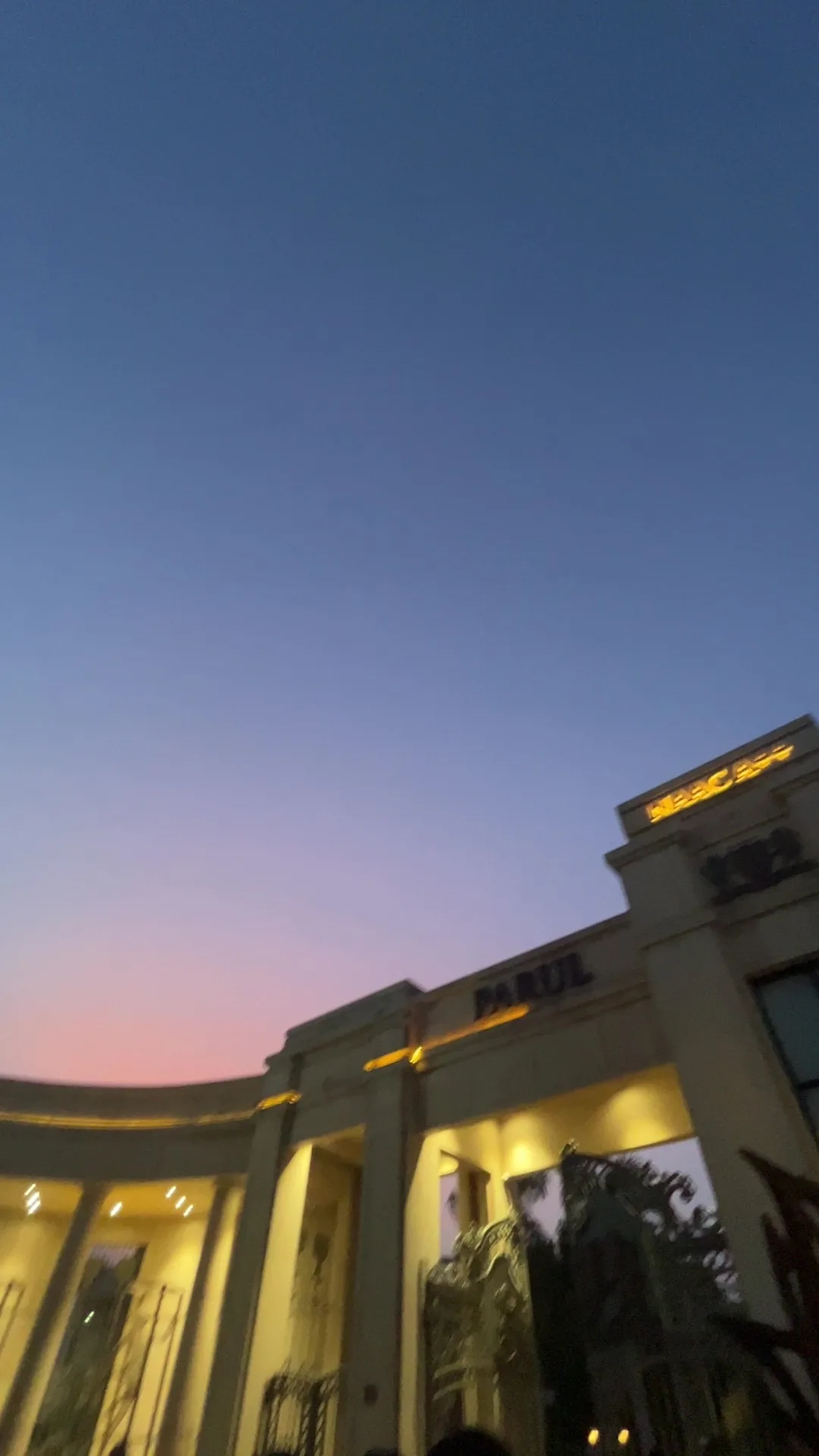
Parul University is a private university established in 2015 at Limda, Waghodia, near Vadodara, Gujarat. Its 250-acre campus offers engineering, computer applications, management, pharmacy, medicine, nursing, design, law and other disciplines. The university holds NAAC A++ accreditation.
Regular B.Tech CSE has current annual tuition of ₹1.95 lakh and takes four years. MBA Marketing takes two years at ₹2.50 lakh annually; BCA takes three years at ₹1.60 lakh annually. Accommodation is paid separately.
Pharmacy ranked 41 in NIRF 2025, while the University category was in the 101–150 band. Regular CSE's average package range is ₹4–6 LPA without a named cohort. The university-wide 2026 placement figures are ₹60 LPA highest and ₹8 LPA average, with a different scope from the CSE range.
Course choices and your budget
The course you choose determines both your time here and your budget. B.Tech CSE takes four years and costs ₹1.95 lakh a year in tuition. A BBA specialisation takes three years. Domestic hostel rooms with available prices range from ₹79,000 to ₹3.50 lakh a year, depending on the room and facilities.
Choose a course first, then check its entry requirements and application process. Compare the full degree fee, hostel payments, admission dates and graduate outcomes before accepting a seat. These details often change from one programme to another.
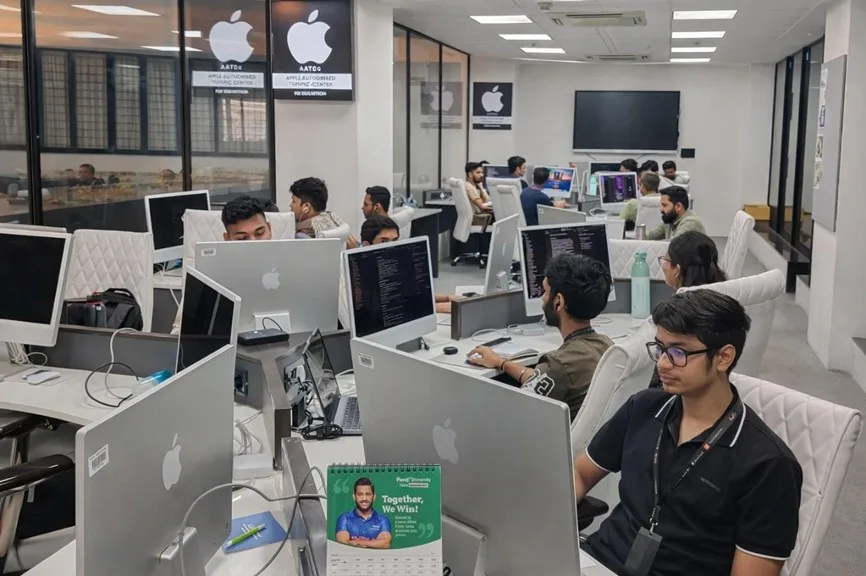
Regular Parul B.Tech CSE has 167 credits and 720 seats. The four-year syllabus covers programming, data structures, algorithms, databases and operating systems, with further study in artificial intelligence and cloud computing. Computing facilities include the Apple Innovation Lab.
The regular, lateral-entry and work-integrated options have different entry requirements. The lateral route has three years remaining after an eligible diploma; the work-integrated version also has employment conditions.
Choice across disciplines. Engineering, health, business, design and arts students can compare multiple pathways in one university.
A residential routine. Rooms, vegetarian meals, laundry and campus access can simplify daily life for an outstation student.
Industry and practical exposure. Computing labs, partner-linked programmes, clinical facilities and placement training give you practical resources to use.
Support beyond marks. Sports, cultural and defence scholarship schemes may help eligible students reduce tuition.
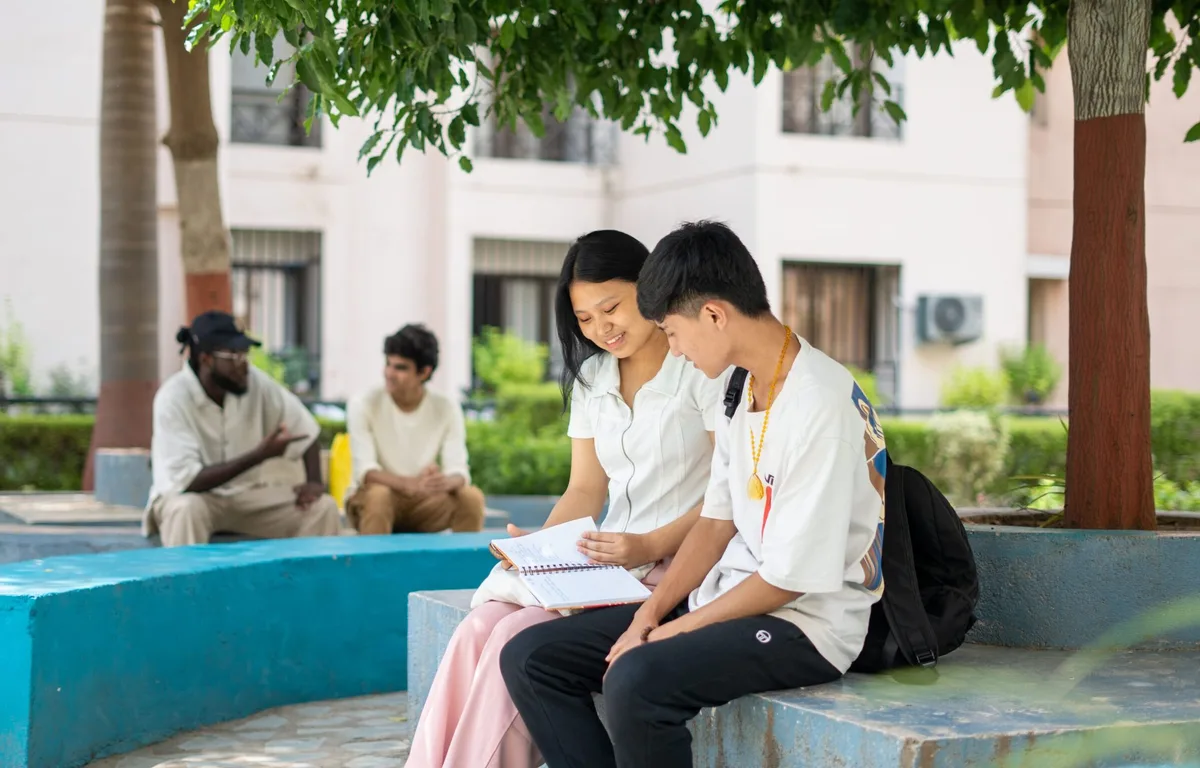
An active student community. Clubs, events and a multicultural campus suit students who want life beyond their department.
Why skip
Reasons to consider another college
Your budget is tight. Hostel, travel and course-specific extra charges can materially raise the academic headline price.
You want a compact campus or city-centre commute. The Limda/Waghodia location and large campus require you to plan travel and daily movement.
Your decision relies on the highest package. A ₹60 LPA offer does not describe the typical outcome in your programme. Compare the course’s own salary and placement figures.
You need hostel comfort on your terms. Shared rooms, vegetarian dining and scheduled AC hours may not suit your routine.
You need a confirmed scholarship to afford it. Choose a college that fits your budget before an unapproved award. Scheme exclusions matter for professional courses.
Parul combines technical, business, design and healthcare study on the Limda campus. Computing routes include four-year regular CSE, three-year diploma lateral entry and a work-integrated course with employment conditions. Pharmacy has a dated subject-ranking trend, improving from NIRF 47 in 2024 to 41 in 2025.
Regular CSE lists 720 seats and 167 credits. At current annual tuition, four years cost ₹7.80 lakh. A female student using the Abraham Lincoln-B five-sharing non-AC room adds ₹3.16 lakh in hostel and meals, giving ₹10.96 lakh before application and additional charges. Student accounts describe facilities and events alongside practical-learning, food and hostel-routine concerns.
These are decision factors, based on the programme, hostel policies and student accounts. A campus visit and a conversation with students from your exact course help you judge the fit.
Major Courses at Parul University
Popular study paths
Course
What to compare
Next step
B.Tech CSE
Subjects, regular vs partner-linked curriculum, four-year cost
Major choices include B.Tech CSE, BCA, BBA, MBA, B.Pharm, Nursing, Forensic Science and B.Des. Their entry subjects differ. CSE requires Physics and Mathematics with a permitted third subject; BCA has English and Mathematics or Statistics conditions. BBA Marketing accepts any Class 12 stream with English.
MBA Marketing begins after graduation, while B.Pharm accepts the stated PCM or PCB combination. Nursing needs PCB and English; Forensic Science needs Class 12 Science. UX & Interaction Design accepts any stream with English and uses PU-DAT. Regular, lateral-entry and work-integrated engineering have different durations, fees and qualifying-study requirements.
Parul offers degrees across engineering, management, pharmacy, medicine, design and other subjects. Eligibility depends on the degree and the subjects studied in Class 12 or graduation.
In NIRF 2025, Parul is in the University 101–150 band and ranks #41 in Pharmacy. Its Collegedunia Medical rank is #135 out of 632 for 2025. Compare colleges within the same subject and ranking year.
Parul's 2026 Collegedunia rankings are 201/500 for B.Tech, 26/200 for Computer Applications and 126/200 for Pharmacy. Other subjects have separate positions, including Agriculture at 34/200 and BBA/BMS at 49/200.
NIRF 2025 places Pharmacy at 41 and the University category in the 101–150 band. The University band does not assign an exact position inside the range. Pharmacy's subject result has improved across three NIRF editions: 53 in 2023, 47 in 2024 and 41 in 2025. These are different assessments from the Collegedunia subject lists.
Parul Hostels and Daily Residential Life
Campus
250 acres
Limda, Waghodia
Student clubs
50+
University campus information
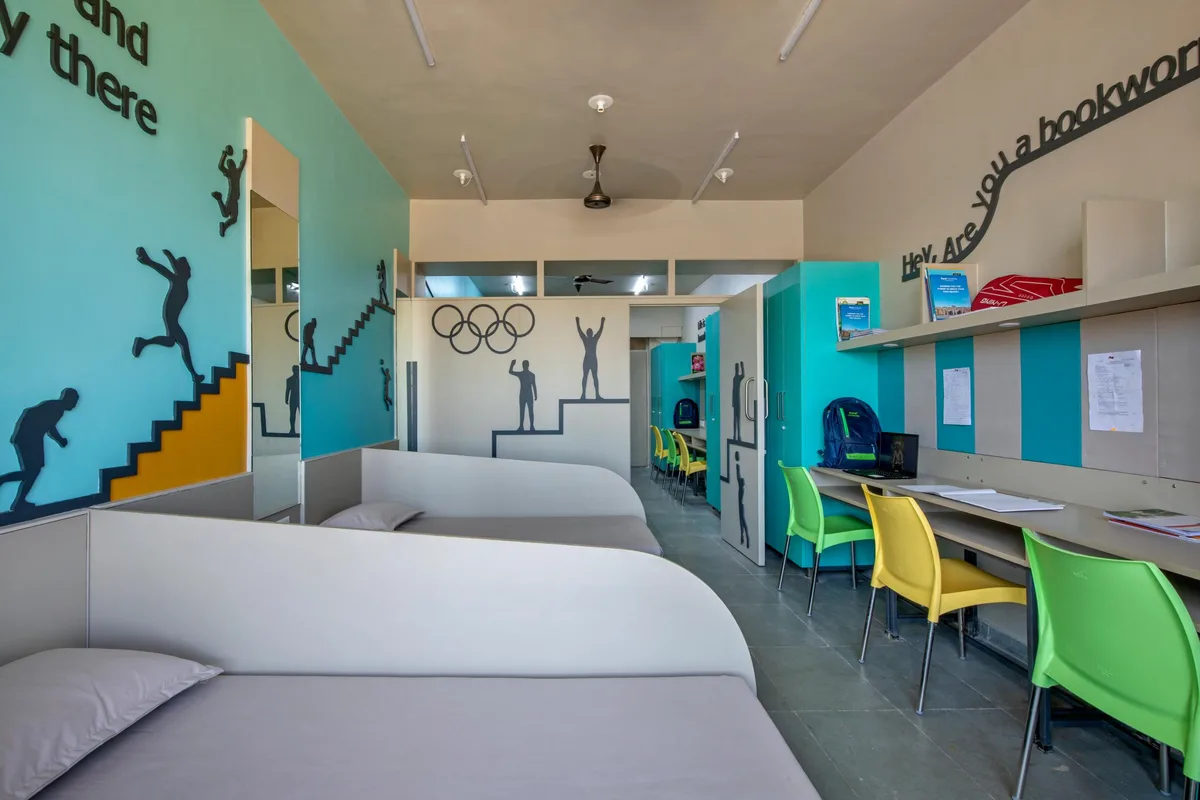
Parul has separate named residential options for boys and girls, with occupancy, AC and washroom type affecting the fee. Abraham Lincoln-B is a five-sharing girls' room with a common washroom, costing ₹79,000 annually without AC or ₹99,000 with AC. Meals are included.
The hostel term runs from July to June. The meal plan is vegetarian and includes breakfast, lunch and dinner. AC is unavailable between 9 AM and 6 PM under the published hostel conditions. Residents also have Wi-Fi, housekeeping and a hostel kit. Room availability and resident restrictions differ by building; Ratan Tata Bhawan-C is specifically for postgraduate medical students.
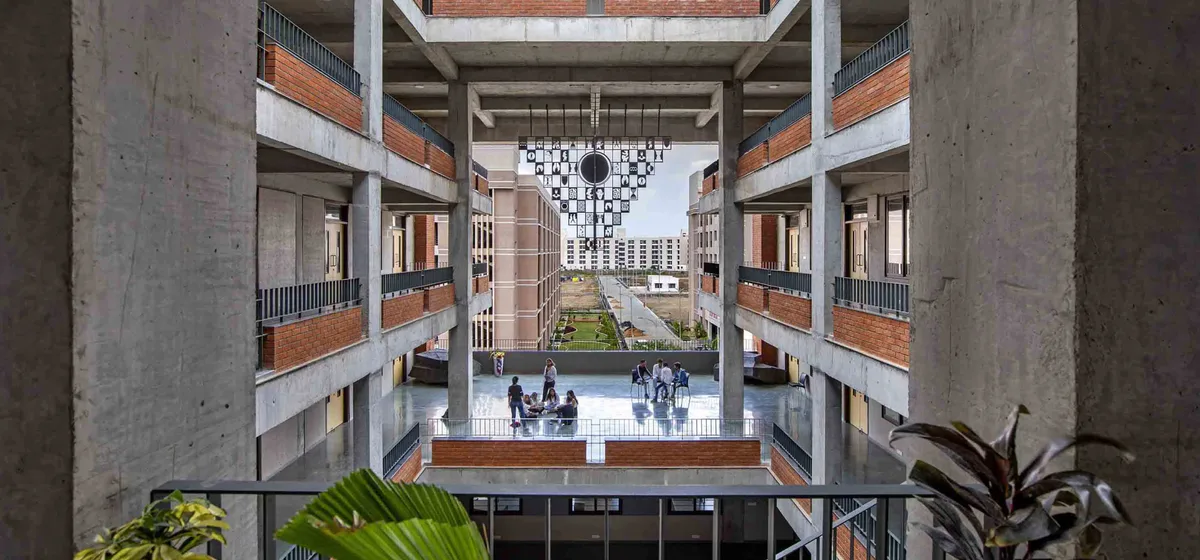
A residential campus in VadodaraTeaching and daily life
The university describes a 250-acre campus, more than 50 student clubs and a student welfare team supporting campus activities. Its hostel network offers shared and single-room choices with AC or non-AC options, attached or common washrooms, and a vegetarian meal plan.
For academic life, visit the department you intend to join. Computing students should see the labs; a health-science applicant should ask about clinical rotations; design students should inspect studios and student portfolios. The facilities most relevant to your degree matter more than a campus tour’s highlight reel.
Unlimited vegetarian breakfast, lunch and dinner, furnished rooms, educational Wi-Fi, housekeeping and weekly laundry are part of the hostel package. Gym access costs an additional ₹9,500. AC supply is off from 9 AM to 6 PM.
The hostel term runs July–June. Booking requires programme admission first, followed by 50% of the annual room fee. Read the room allocation and reporting instructions in your student portal.
Visit with a practical checklist.
See a classroom during a teaching day. Ask about laboratory access beyond timetabled sessions, electives, internship assistance and the attendance routine. Visit the room category you can afford, try a meal and time the journey from the hostel to your department.
For families, useful questions include emergency support, travel home, laundry timings, roommate allocation and the way fee queries are handled. The hostel page lists a 750-bed multispecialty hospital on campus; medical treatment can carry separate charges.
Abraham Lincoln-B offers five-sharing non-AC accommodation for girls at ₹79,000 a year, including meals. The booking payment is ₹39,500, followed by the remaining ₹39,500 under the hostel schedule. Abraham Lincoln-A has the same annual tariff for its corresponding boys’ and international-student room.
Regular CSE tuition of ₹1.95 lakh and this room total ₹2.74 lakh in the first year. Four years at these rates total ₹10.96 lakh for tuition, hostel and meals.
Parul's academic facilities include laboratories, libraries, design studios and practical-learning spaces. The Apple Innovation Lab supports Apple technology and iOS development, while design has dedicated UX/UI, AI & Emerging Tech and computer laboratories.
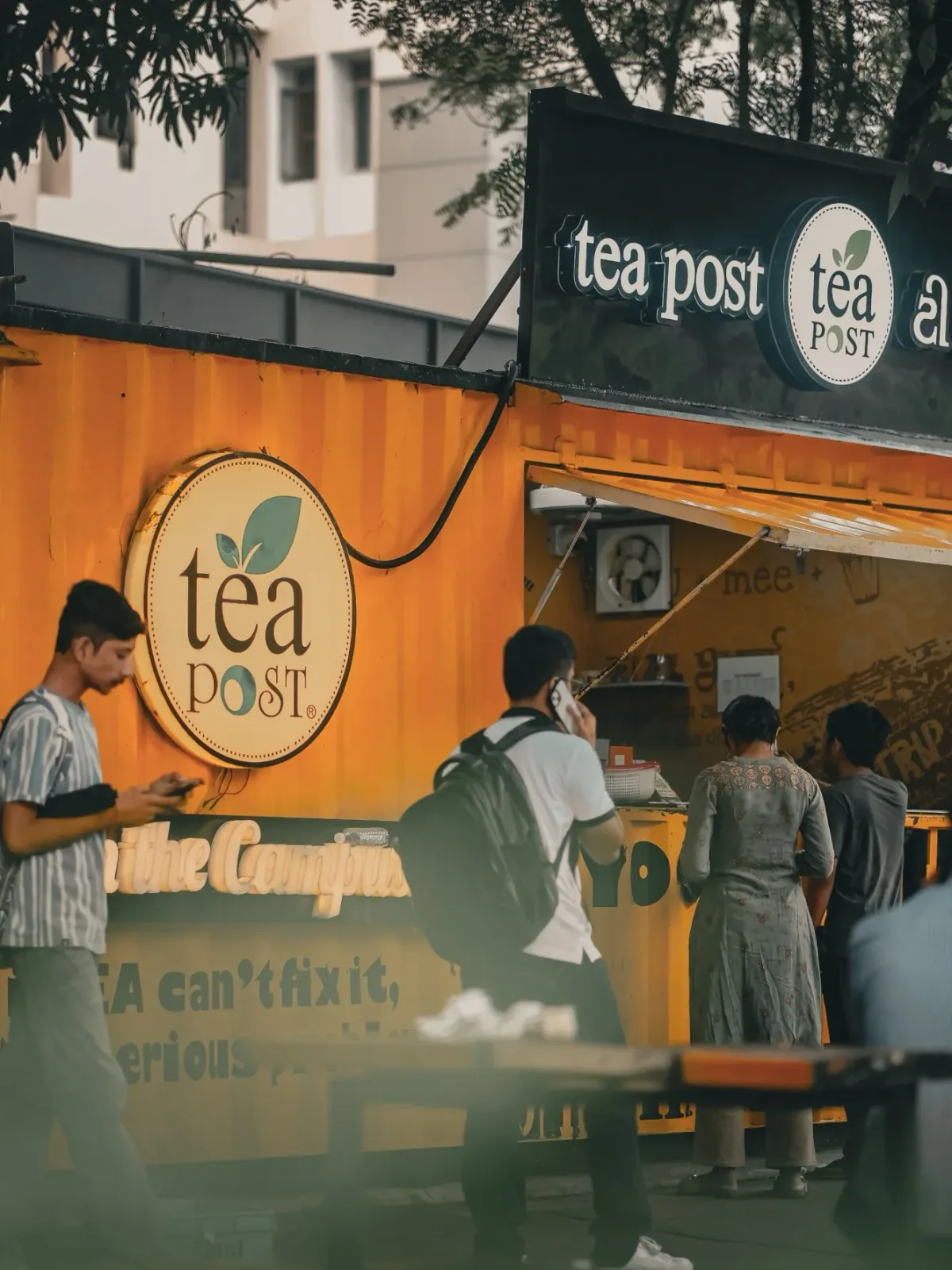
The UX course uses research, wireframing, prototyping and usability work before its final-year internship and capstone. Wider campus facilities include sports, cultural activities, food courts and residential buildings. Different professional courses use different practical settings; a BHMS student account, for example, describes travel between college and hospital for clinical postings.
Good campus facilities, but practical learning needs effort
Teaching
He finds teachers accessible when he needs help, but describes the curriculum as theory-heavy. He wants more hands-on work and says students need to build their own practical skills.
Training and placements
He describes preparation beginning before final-year recruitment. Access to the more selective training and internships depends on marks and performance.
Hostel and daily life
Libraries, food courts and campus Wi-Fi are positives. Mess food, evening restrictions and paperwork for leaving campus are his main concerns.
Approachable teachers and events, with hostel trade-offs
Teaching
Jaishika values the way professors explain topics and support personal development. Notes, regular practice and tests help structure her studies.
Projects and campus
She describes a project cell, technical events, libraries and sports alongside the annual Dhoom festival.
Hostel
Room furnishings make moving in easier, but she finds meals repetitive and raises concerns about common-washroom cleanliness. Exit permissions are part of her hostel routine.
Useful labs and teaching; clinical travel needs planning
Classes and labs
She values the newer faculty, student–teacher relationships and the specimens available in labs. Large classes without AC become uncomfortable in summer.
Clinical learning
The college and hospital are on different campuses, so clinical postings require travel. She would like more posting hours from the third year.
Beyond classes
Technical and medical expos, festivals and sports teams are part of her experience. Her account also describes the mandatory hospital internship in BHMS.
Supportive faculty, but food and sports space disappoint
Academics
Ayush likes the way faculty explain the course and prepare students before examinations. He would welcome more visits to banks as part of the banking curriculum.
Campus
Festivals and the range of food stalls add to social life. He finds paid food expensive and feels the sports grounds are stretched by the number of students.
Accommodation
He describes basic shared-room furnishings and raises concerns about hostel food. Check the room, meal plan and exit timings before booking.
CSE students Hitesh Yadav and Jaishika Jayprakash Shetty describe different aspects of teaching and residential life. Hitesh, a 2023 entrant, finds teachers accessible but wants more hands-on learning. Jaishika, a 2025 entrant, discusses a project cell, technical activities and Dhoom alongside repetitive meals and common-washroom concerns.
BHMS student Khayati Deepakbhai Parekh values laboratory specimens and teachers but discusses clinical-posting travel and large summer classes. Commerce student Ayush Singh describes supportive teaching while seeking more banking visits and raising food and sports-space concerns. These are individual experiences tied to their courses and admission years.
No reviews here match both filters. Try another course or topic, or read all student reviews.
Faculty support and an internship shaped her experience
Raushani describes approachable professors who helped her through academic difficulties. After completing BBA, she continued into MBA Marketing. A leadership tour introduced her to business leaders and gave her a closer view of corporate work.
She reports securing an internship with KPMG and credits the university’s guidance, exposure and confidence-building for helping her prepare. Her account is particularly useful for students comparing business courses and the opportunities around them.
Varun’s positive review centres on events, food options and the variety of people he meets. He describes concerts and social activities as a large part of his university experience.
He also points out how much walking the campus involves. Students who want an active residential environment may relate to his account; someone planning a daily commute should first check their department’s location and travel time.
A good-looking campus did not settle the overall decision
Siddhrajsinh praises the space and atmosphere of the campus, but gives his overall experience two stars and says he would not recommend admission.
His account does not explain every reason behind that recommendation. It does show why a campus photograph alone cannot settle the decision: the course, teaching, cost and day-to-day routine need their own checks.
The recorded Limda-campus Google rating is 4.3/5 from 12,604 reviews in the October 2026 review record. The individual accounts cover academic support, internships and the campus environment.
Raushani Kumari describes completing BBA, continuing into MBA Marketing and obtaining a KPMG internship with academic support. Varun focuses on events, food options, social activity and the amount of walking involved on campus. Siddhrajsinh Roz praises the campus space while giving a low overall recommendation without detailing every reason. These opinions add personal context rather than a course-wide outcome measure.
Parul University, Vadodara
03
What should you expect from placements?
Regular CSE has an average package range of ₹4–6 LPA. Parul’s university-wide highest package for 2026 is ₹60 LPA. B.Pharm’s 2024 median is ₹2.75 LPA; this belongs to a different degree and year.
At ₹5 LPA, four-year CSE tuition of ₹7.80 lakh equals 1.56 times the annual CTC. Including four years in Abraham Lincoln-B brings the ₹10.96 lakh cost to about 2.19 times annual CTC. CTC includes salary components beyond monthly take-home pay.
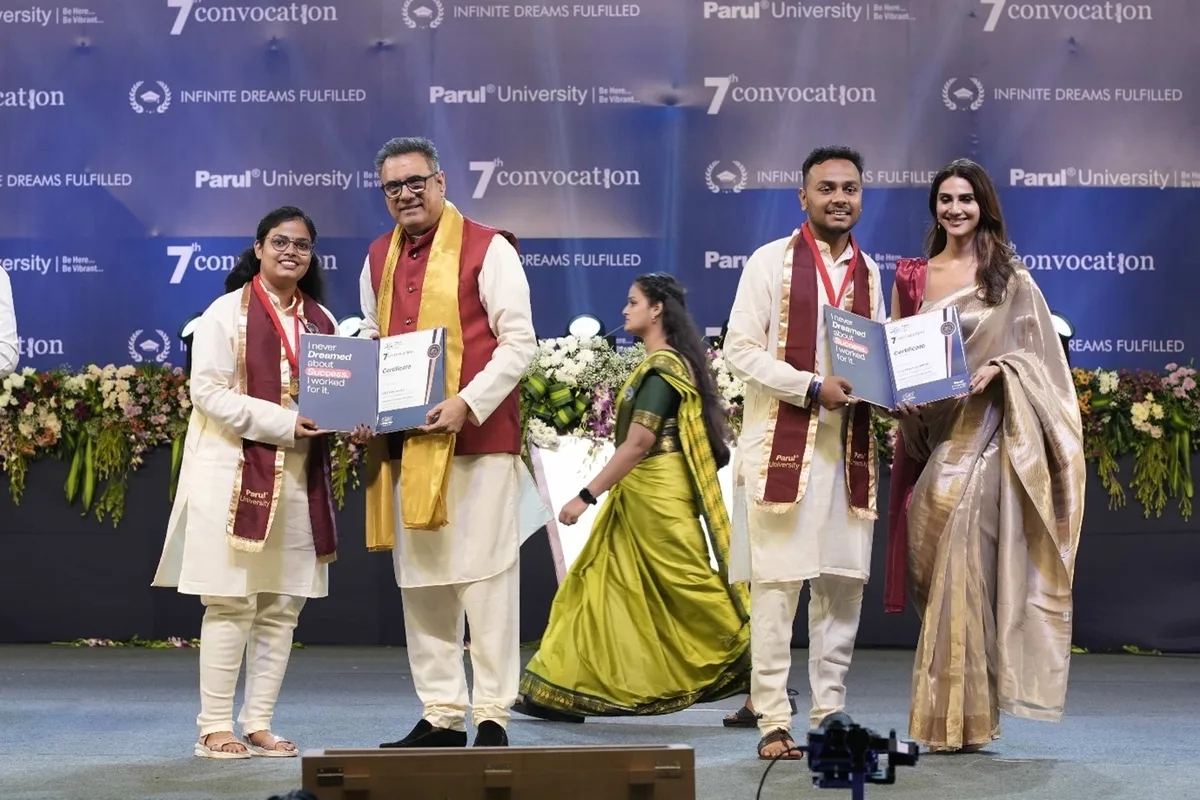
The university’s convocation coverage names these alumni and their organisations. Their stories are a starting point for exploring career paths. Read the university report to learn about the alumni it recognises.
Parul's convocation coverage names Mohammed Vayada with Google, Dhara Pathak with NASA and Akshar Patel with Tesla. These individual careers span technology, research and industry.
Some alumni reach such roles after additional study or work experience, so these examples cover a broader career path than the first job after graduation. The regular CSE average package range of ₹4–6 LPA is a separate course-level measure without a named graduating batch. The alumni accounts do not establish company-wide recruitment counts or typical starting salaries.
Common questions about Parul University
Where is Parul University?+
Parul University is in Limda, Waghodia, near Vadodara, Gujarat 391760. It was established in 2015 and holds NAAC A++ accreditation.
What is the current regular CSE tuition?+
Current annual tuition is ₹1.95 lakh. Four years at that rate give ₹7.80 lakh tuition before application, residence and separately specified charges.
Regular CSE requires the permitted Science subjects and at least 45% for General or 40% for the reserved-category route. Engineering counselling seats use the relevant ACPC process and merit list. Course eligibility and counselling allotment are separate requirements.
At current rates, regular CSE tuition is ₹1.95 lakh annually and ₹7.80 lakh across four years. Four years in Abraham Lincoln-B add ₹3.16 lakh for room and meals. The hostel booking payment is half the annual room charge and already forms part of that charge. Programme confirmation, payment deadlines and hostel allotment are separate stages of joining.



 ↗